A Comprehensive Guide to Your First Trip to Busan
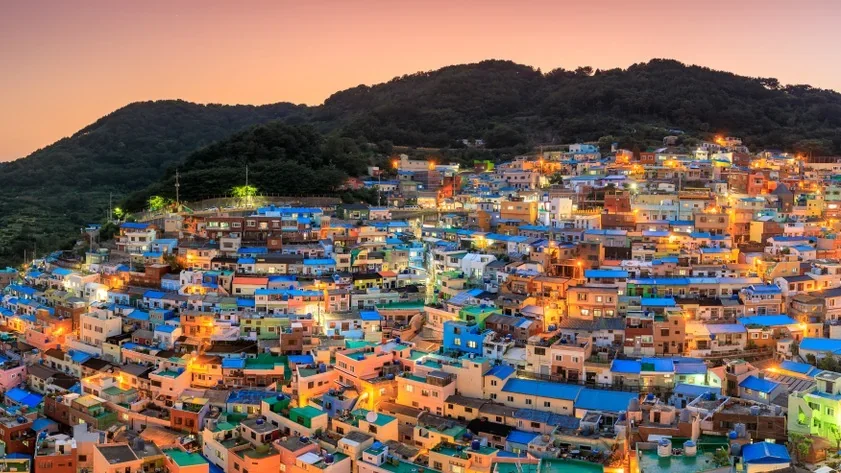
Busan, South Korea’s largest port city, offers a captivating blend of contrasts: sleek skyscrapers standing in harmony with ancient seaside temples and bustling traditional fish markets. Often referred to as the "Summer Capital of Korea," Busan provides a more relaxed, breezy atmosphere compared to the frantic pace of Seoul, making it an essential destination for any traveler.
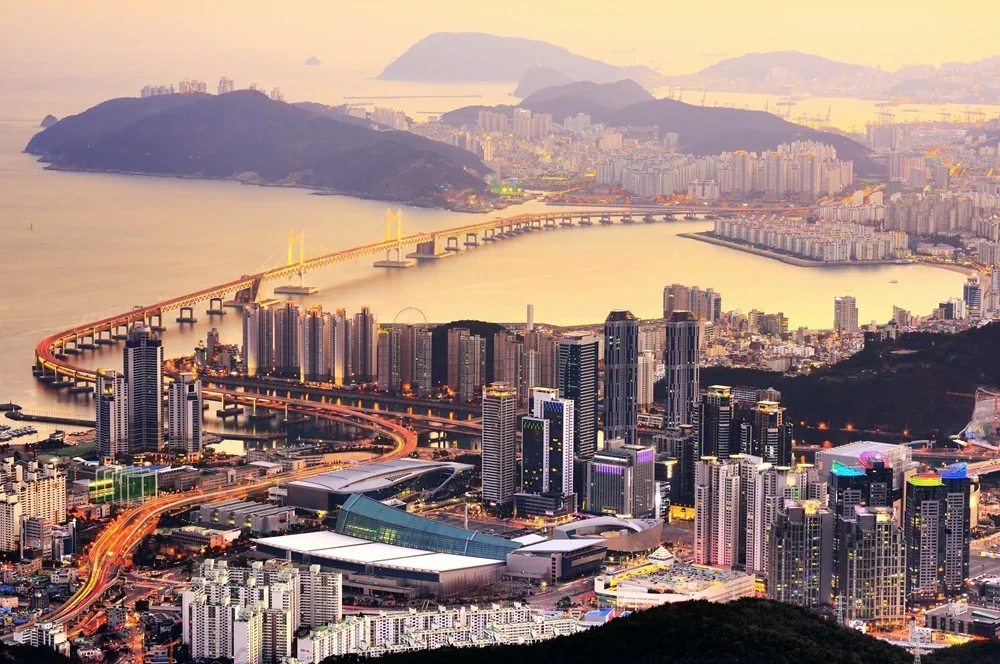
Getting to Busan: Routes and Pricing
Most international travelers begin their journey in Seoul. As of 2026, there are three primary ways to reach Busan, each catering to different schedules and budgets:
- KTX (High-Speed Train): The most efficient and popular choice. Traveling from Seoul Station to Busan Station takes approximately 2.5 to 3 hours. A one-way ticket is priced at around 59,800 KRW (approx. $45 USD). Booking via the Korail Talk app in advance is highly recommended.
- Express Bus: An excellent option for budget-conscious travelers, with a travel time of about 4.5 hours. Tickets are significantly more affordable, ranging from 25,000 to 40,000 KRW (approx. $19 – $30 USD) depending on the bus class (Standard or Premium).
- Domestic Flight: Flying from Gimpo Airport (Seoul) to Gimhae Airport (Busan) takes only 1 hour. Ticket prices are fluid, typically ranging between $30 and $110 USD depending on the airline and how early you book.
Must-Visit Attractions and Landmarks
Busan’s unique geography—where mountains meet the sea—creates a diverse range of sightseeing opportunities. Here are the top attractions for your itinerary:
- Gamcheon Culture Village: Often called the "Machu Picchu of Korea," this hillside village is famous for its brightly colored houses, creative murals, and the iconic Little Prince statue overlooking the harbor.
- Haeundae Beach & Blue Line Park: Korea’s most famous beach. For a unique perspective, ride the Haeundae Sky Capsule—small, colorful capsules that glide along an elevated rail—or the Beach Train to enjoy panoramic coastal views.
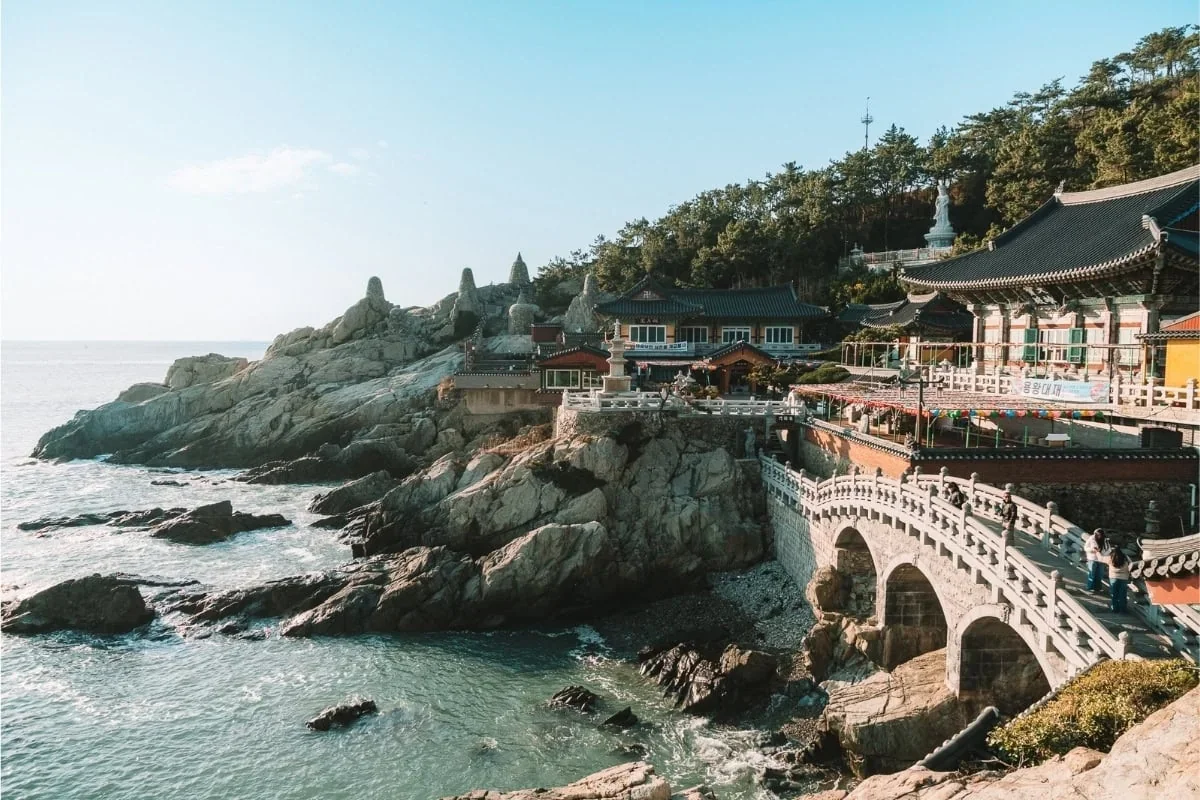
- Haedong Yonggungsa Temple: Unlike most Korean temples tucked away in the mountains, this stunning Buddhist temple is situated directly on the rocky coastline, offering a spiritual experience soundtracked by crashing waves.
- Jagalchi Fish Market: The largest seafood market in the country. Experience the vibrant local culture by picking fresh seafood on the ground floor and having it prepared instantly at a restaurant upstairs.
Where to Stay: Best Neighborhoods
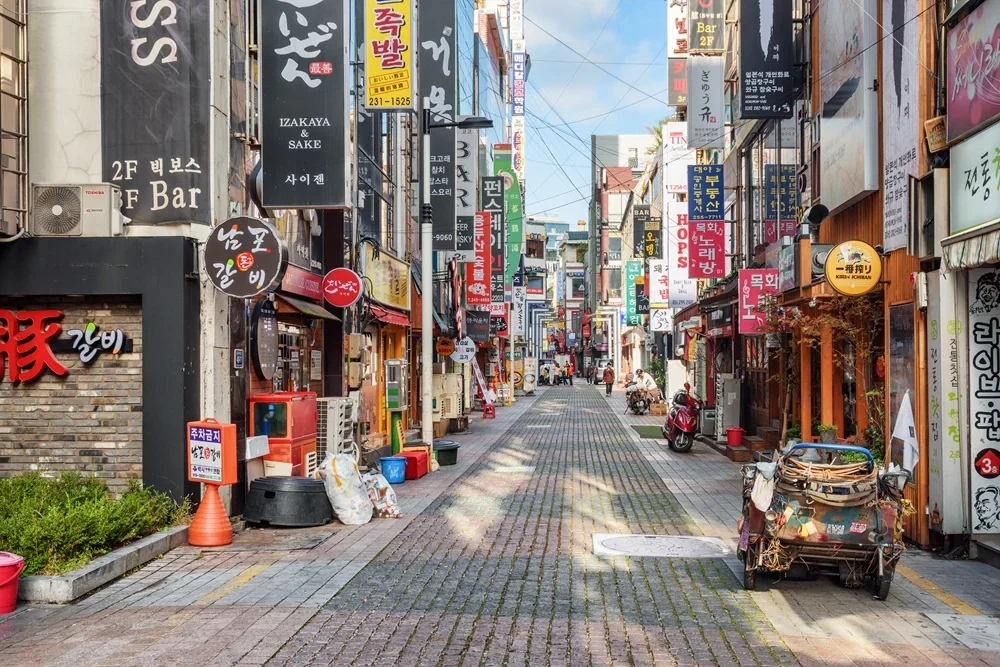
Choosing the right base is key to navigating the city efficiently. We recommend three main areas:
- Seomyeon (City Center): The heartbeat of Busan. Ideal for those who love shopping, nightlife, and easy transit, as it serves as the main interchange for the subway lines. Top picks: Arban Hotel or Lotte Hotel Busan.
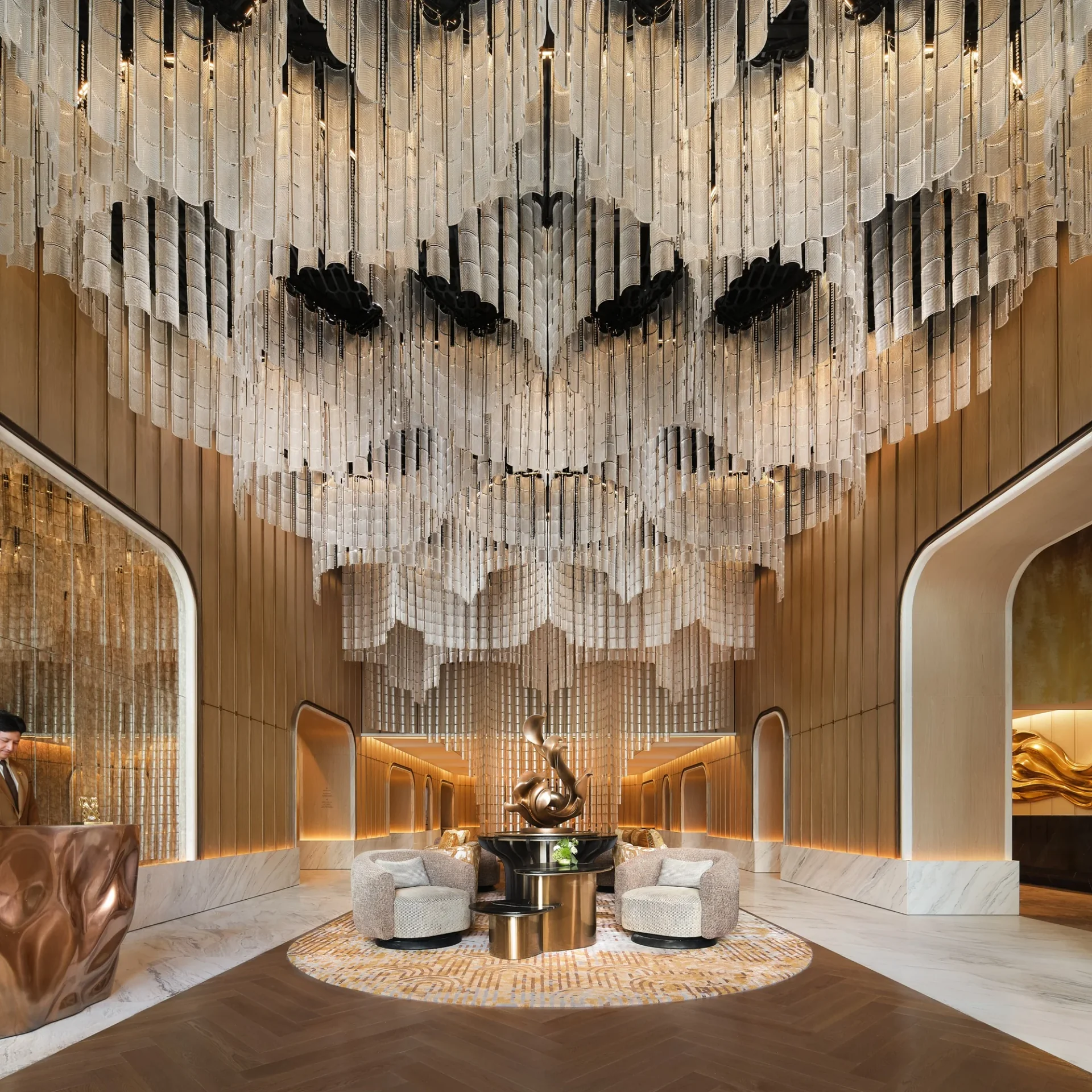
- Haeundae (Beachside): Perfect for a resort-style vacation with beautiful ocean views. Consider Shilla Stay Haeundae or the ultra-luxurious Signiel Busan.
- Nampo-dong: Located near traditional markets and the Busan Diamond Tower. NewCZ Nampo Hotel offers a strategic and culturally rich location.
2026 Budget Estimates
To ensure a smooth trip, here is a breakdown of the daily expenses you should anticipate in Busan:
Accommodation Costs
For a comfortable 3-star hotel or a modern apartment in prime areas like Seomyeon, expect to pay between 50,000 and 120,000 KRW ($38 – $90 USD) per night. Budget travelers can find guesthouses or hostels starting around 30,000 KRW.
Dining and Culinary Experiences
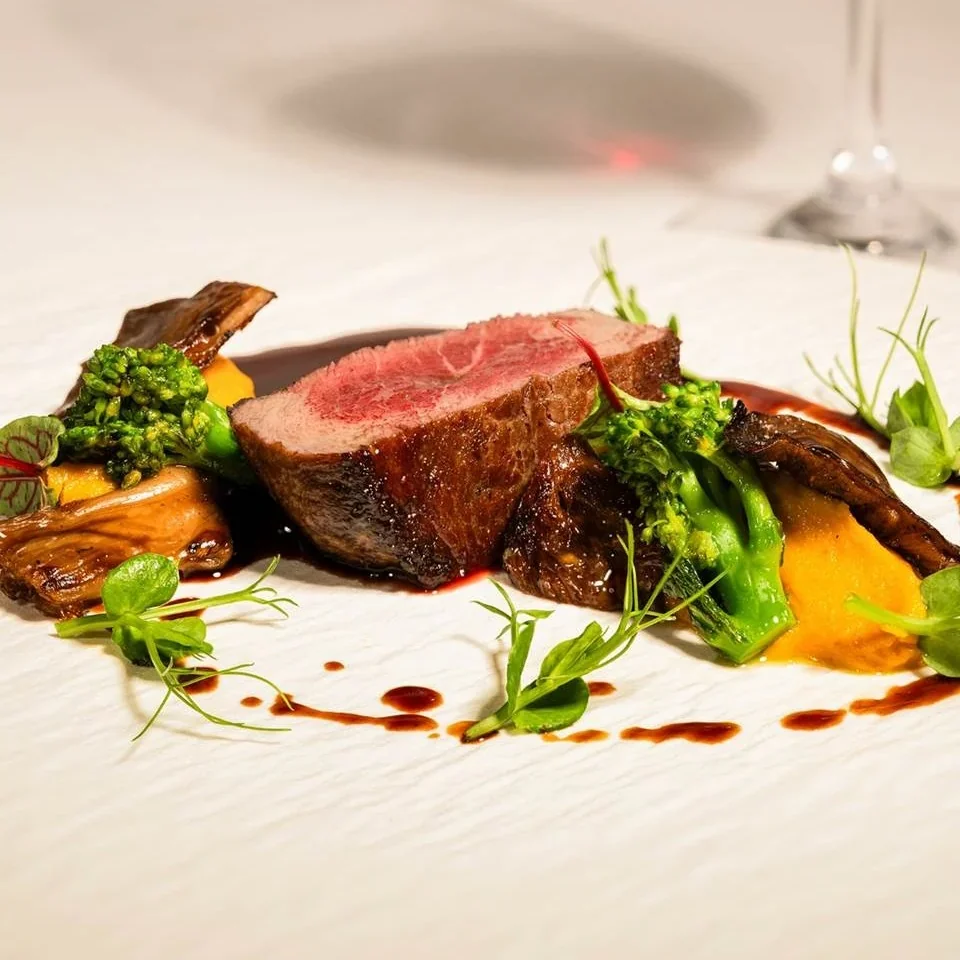
Busan is a foodie paradise. A local meal, such as the famous Dwaeji Gukbap (pork soup) or Milmyeon (wheat noodles), costs between 9,000 and 15,000 KRW. For a full day of dining, including a fresh seafood feast at Jagalchi, allocate roughly 30,000 to 60,000 KRW ($23 – $45 USD) per person.
Local Transport and Sightseeing
Public transport is highly integrated. A single subway or bus ride using a T-Money card is about 1,300 – 1,600 KRW. Budget around 10,000 to 20,000 KRW ($8 – $15 USD) daily for general transit. For paid attractions like the Sky Capsule or the Busan X the Sky observatory, set aside an additional 20,000 to 50,000 KRW ($15 – $38 USD).
In total, for a mid-range travel style, you should prepare a daily budget of 110,000 to 250,000 KRW (approx. $80 – $190 USD) per person. Pro Tip: Look into the Visit Busan Pass (24 or 48 hours), which grants free entry to over 30 top attractions and provides transportation discounts, offering significant savings for first-time visitors.
Related Articles