Home / Japan / Ultimate Guide
Your 2026 Japan First-Timer Essentials
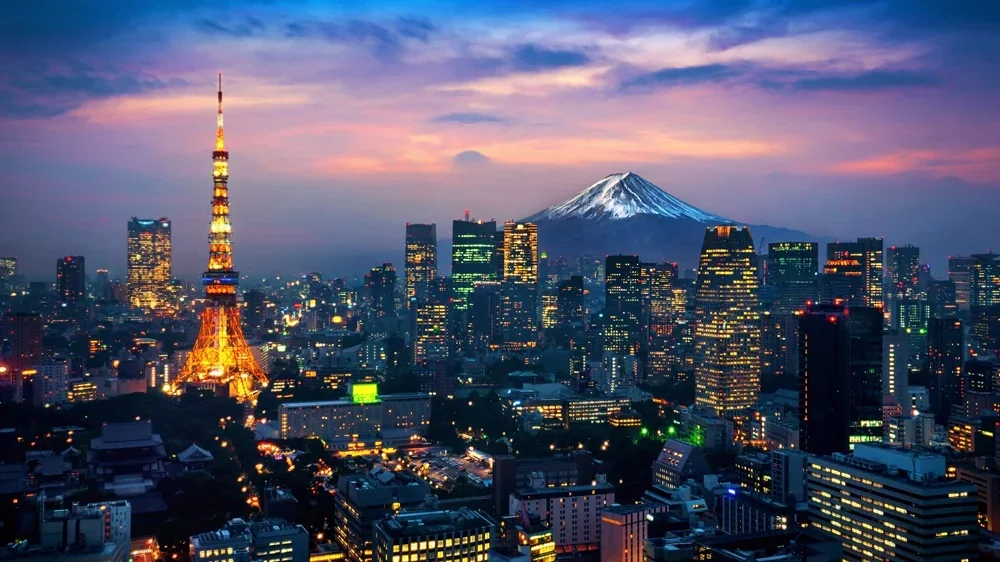
Japan is more popular than ever in 2026, but the travel landscape has shifted significantly with new regulations and digital upgrades. For first-time visitors, navigating these changes is the key to a smooth trip. Here is what you need to know before you land.
New Tax-Free Refund System
Starting in late 2026, Japan is transitioning from an immediate in-store tax exemption to a refund-based system, similar to those in Europe. Instead of getting the 10% discount at the cash register, you will now pay the full price at the shop and claim your tax refund at the airport before departure. Be sure to keep all your original receipts organized and allow extra time at the airport to process these claims at the customs counters.
The Rise of "Dual Pricing" for Tourists
To combat overtourism and rising maintenance costs, many popular attractions and even some restaurants have introduced dual pricing. This means foreign tourists may be charged a higher entry fee than residents at historical sites or see slightly higher prices on English-language menus. While it might be a surprise at the ticket booth, these funds are increasingly used to preserve the very landmarks you are visiting, particularly in crowded hubs like Kyoto and Nikko.
Smart Transit: Digital IC Cards & iPhone Integration
Physical Suica and Pasmo cards are still in short supply, so the best way to move around is by adding a digital IC card directly to your smartphone's wallet. If you prefer a physical card, look specifically for the "Welcome Suica" or "Pasmo Passport" at airport kiosks, which are designed for 28-day tourist use and require no deposit. These cards are essential not just for trains and buses, but also for quick payments at the ubiquitous vending machines and convenience stores.
Mandatory Luggage Reservations on Shinkansen
If you are traveling between major cities like Tokyo, Nagoya, Kyoto, or Osaka via the Shinkansen (bullet train), you must reserve a seat with oversized baggage space if your suitcase exceeds 160 cm in total dimensions. Failure to book this specific "baggage corner" seat in advance will result in a 1,000 yen fine and the possibility of having to move your luggage to a different car. You can easily make these reservations through the "Smart EX" app or at station ticket machines.
Transitioning Beyond the "Golden Route"
With record-breaking crowds in Tokyo and Kyoto, the newest travel trend for 2026 is exploring secondary cities like Kanazawa, Okayama, or the Tohoku region. The Japanese government has significantly upgraded infrastructure in these areas to provide a more authentic, "slow travel" experience away from the congestion. You will find that these regions often offer more affordable luxury accommodations and a warmer welcome from locals who are less overwhelmed by the tourism surge.
Booking Entry to "Viral" Scenic Spots
Due to extreme crowding, several iconic photo spots now require advanced booking or entry fees. For instance, Mount Fuji's Yoshida Trail now has a daily hiker cap and a mandatory climbing fee, and certain districts in Kyoto have restricted access to private alleys to protect geisha from harassment. Always check the official prefectural websites a few weeks before your visit to see if your "must-see" spots require a timed entry reservation.
Cashless Evolution and the Weak Yen Benefit
While Japan was historically a "cash-only" society, in 2026, most major urban shops and restaurants accept credit cards, Apple Pay, and QR codes. However, Japan remains a dual-payment economy; you still need physical yen for traditional temples, small local ramen shops, and rural areas. With the exchange rate still hovering around favorable levels (approximately 150 yen to the US dollar), your purchasing power is high, but be aware that local prices for luxury hotels and tourist-heavy dining have risen to adjust for this economic shift.
The 24/7 Japan Visitor Hotline
For peace of mind, all first-time travelers should save the Japan Visitor Hotline (+81-50-3816-2787), operated by the Japan National Tourism Organization (JNTO). This 24-hour, 365-day service provides multi-language support (English, Chinese, and Korean) for everything from general travel inquiries to urgent assistance during accidents or natural disasters. In 2026, they also offer a specialized WebRTC service that allows you to make free calls over Wi-Fi, ensuring you can reach help without incurring high international roaming charges.
Strategic Seasonal Planning for 2026
In 2026, Japan continues to experience four distinct seasons, but with increasingly extreme shifts that require careful packing. Winter (December–February) is seeing a "double-dip" La Niña effect, leading to record-breaking snowfall in northern regions like Hokkaido and the Japanese Alps—ideal for skiers but prone to transport delays. Summer (June–August) remains exceptionally hot and humid, with temperatures in Tokyo and Kyoto often exceeding 35°C (95°F), making portable fans and "cool-tech" clothing essential. For the most comfortable experience, aim for the "shoulder seasons": late March to early April for the 2026 cherry blossoms (which are forecasted to bloom slightly earlier this year) or November for the vibrant autumn foliage and crisp, dry air.
Navigating the Typhoon and Rainy Seasons
First-time visitors should be aware of Tsuyu (the rainy season) and the peak typhoon window to avoid being stranded. The rainy season typically moves from south to north between May and July, bringing persistent drizzle that can dampen outdoor sightseeing. More importantly, Typhoon Season peaks between August and early October; in 2026, experts warn of more intense storms that can lead to "planned suspensions" of Shinkansen trains and domestic flights. To stay safe and informed, download the "Safety Tips" app by the Japan Tourism Agency, which provides real-time weather alerts and evacuation instructions in multiple languages.

Related Articles