Home / Manila / Ultimate Guide
How to Travel Smart and Safely as a Woman in the Philippines
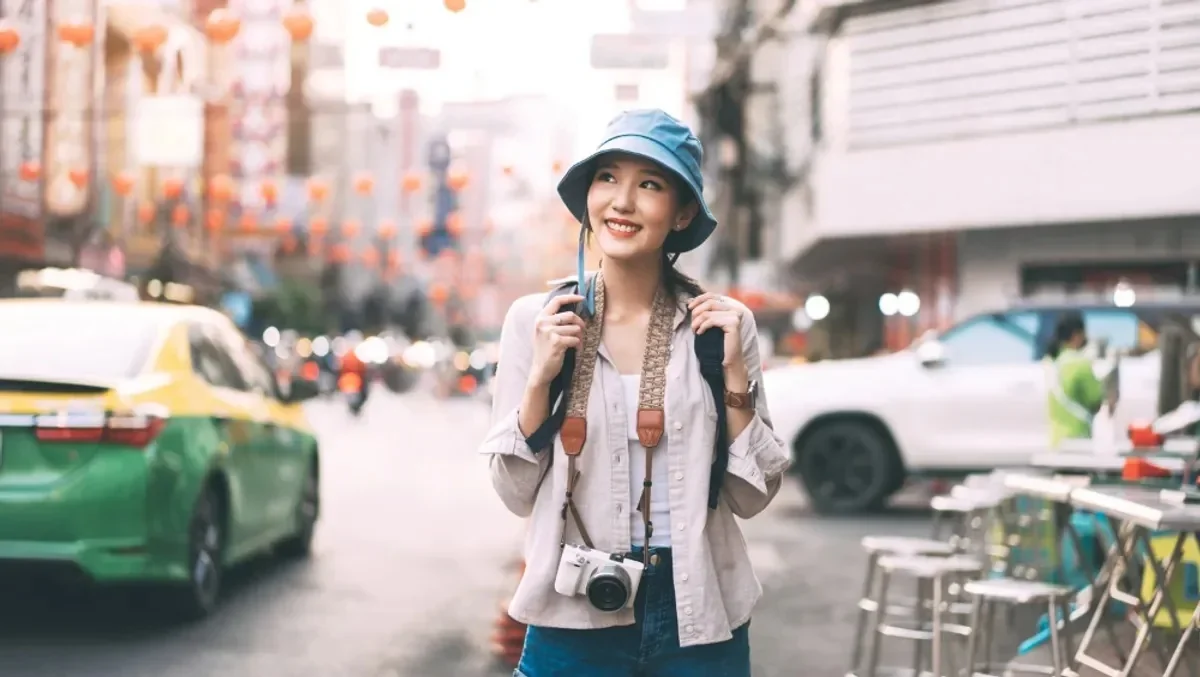
The Philippines is a destination filled with beauty, warmth, and adventure, but like any place, it’s important to travel wisely. This article shares practical advice for women travelers, including safety reminders, cultural insights, and travel hacks to help you experience the best of the islands with peace of mind.
Before you go
1. Research your destination
All travellers face risks abroad. In some countries or cultures, women travelling alone or in female-only groups can face extra risks and obstacles. When planning travel, consider researching the local culture of a country and whether women travelling there have received unwanted attention or difficulties because of their gender.
2. Health conditions or pregnancy
If you have a health condition or are pregnant, you may need specialist healthcare abroad. Check whether the country can provide the healthcare you need and make sure you have appropriate travel insurance for unexpected medical evacuation or local treatment.
Many pregnant women travel abroad without any issues. However, you may be at increased risk of some health problems, and the right medical care may not always be available. You need to be prepared. In some countries, if you become pregnant or give birth outside of marriage, you may not be covered by medical insurance.
Where it is heavily restricted, abortion may be denied to pregnant women. This may happen even in cases where it would be life-saving, and where there is little chance of the foetus surviving.
While you're abroad
Violence towards women and girls is a risk in many countries. This may take different forms depending on the local context, laws, history, and culture in the country.
1. Rape and sexual assault
Rape and sexual assault are risks to people of all genders worldwide, including women. The local services and attitudes towards helping victims of rape and sexual assault can vary widely by country.
2. Drug-assisted rape or ‘date rape’
Drugs have been used in rape. If someone adds drugs to your drink, you will not normally be able to detect them. Rapé drugs also work in non-alcoholic drinks, such as coffee and tea. They are normally colourless and tasteless, and can make you unconscious and defenceless.
You should be aware of how much you are drinking – alcohol is the most frequently used drug in drug-assisted rape, not leave drinks unattended, and do not accept drinks from strangers. Seek help if you feel strange, sick, or drunk after only drinking a small amount. You could tell a trusted friend, who should take you to a safe place, or phone the local police for advice, and if you feel in danger, contact the emergency services.
3. Female genital mutilation (FGM)
FGM is illegal in most other countries. FGM takes place worldwide in at least 30 countries in Africa, Asia, and the Middle East. It also takes place in parts of Western Europe and other developed countries, mainly among immigrant and refugee communities.
4. Forced marriage abroad
In a forced marriage, a person is coerced into marrying someone against their will. They may be physically threatened or emotionally blackmailed. It is an abuse of human rights and cannot be justified on any religious or cultural basis.
5. Job opportunity scams and modern slavery
Be careful when considering job opportunities abroad, including in call centres, as hosts and hostesses, in childcare, as domestic help, and other seemingly legitimate jobs.
Be aware of job offers that appear too good to be true. These scams can target anyone. However, criminal gangs have sometimes targeted women and used these job opportunities as a front for human trafficking or modern slavery. Sometimes people have had their passports confiscated, and been held in poor living conditions, forced into illegal activities, or pressured to make large payments.
Know the law
Do your research to understand laws and authorities’ attitudes towards gender equality issues, particularly around crimes and violence against women.
Areas should be avoided in the Philippines
Some areas should ideally be avoided. Key areas to avoid in the Philippines include the entire Sulu Archipelago, Marawi City, western Mindanao regions, and parts of southern Palawan.
Emergency numbers in the Philippines
The main emergency numbers in the Philippines include:
1. National Emergency Hotline: 911
2. Philippine National Police: 117
3. Fire: 160
4. Tourist Assistance: 1343
5. Tourist Police: (02) 8524-1728
6. Bureau of Immigration: (02) 8465-2400
7. Department of Tourism: (02) 8459-5200
8. Makati Medical Center (Manila): (02) 8888-8999
9. Cebu Doctors’ University Hospital (Cebu): (032) 255-5555
10. The Medical City (Multiple locations): (02) 8988-1000
11. Violence Against Women Helpline: 1327. When considering women’s safety in the Philippines, note that women-only carriages exist on Manila’s Light Rail Transit (LRT) system, offering additional security for female passengers.
12. Store these contacts and your embassy information before traveling.
ADS PLACEMENT
Discover More

Related Articles